

Why Former Employees Often Leave Behind More Risk Than Businesses Realise
Introduction
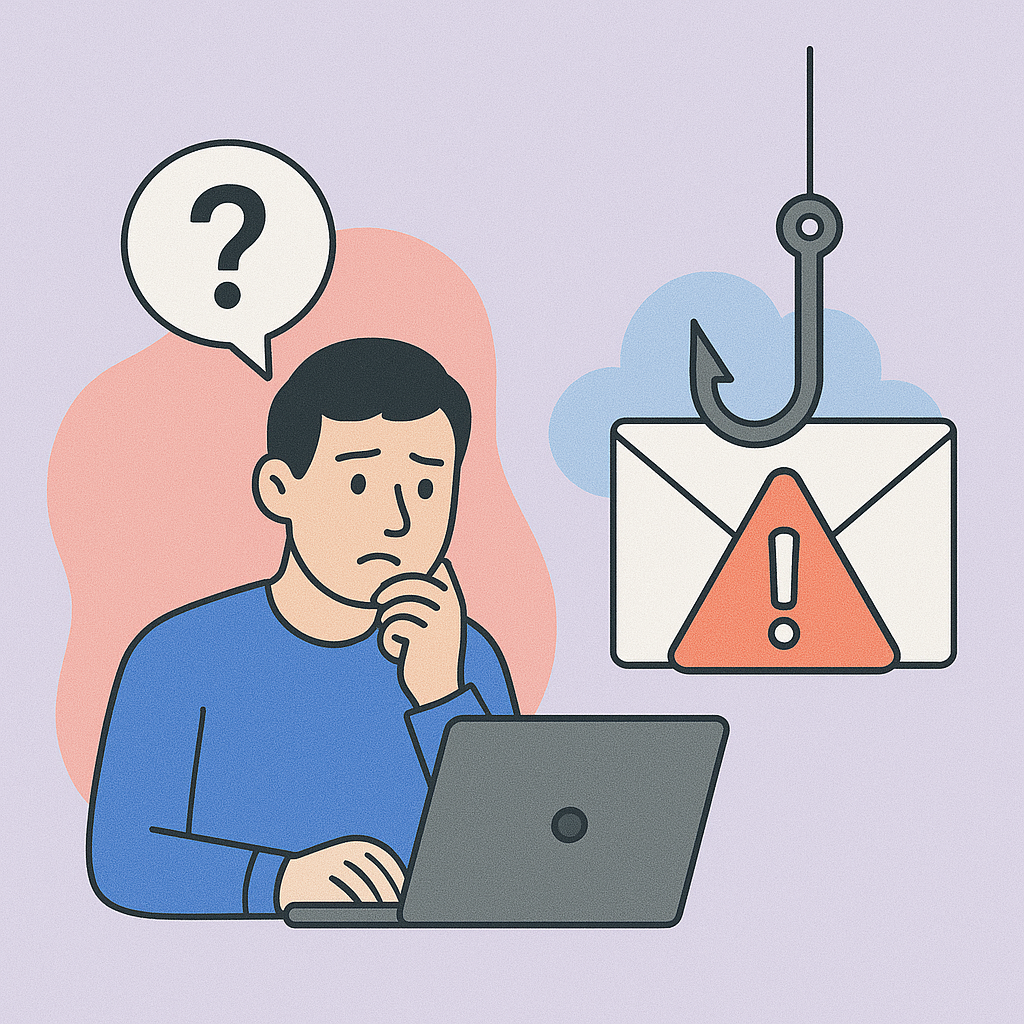
When businesses think about cybersecurity threats, operational disruptions, or data breaches, attention often focuses on external attackers, sophisticated malware, or technology failures. However, one of the most overlooked sources of risk frequently comes from people who no longer work for the organisation.
Every employee accumulates knowledge, access permissions, system familiarity, and business relationships during their time with a company. When they leave, many organisations assume that handing back a laptop and removing an email account is enough to eliminate any associated risks. In reality, former employees can leave behind a surprisingly large risk footprint that affects security, compliance, productivity, and business continuity.
In many cases, the risk is not malicious. Access rights are forgotten, shared passwords remain unchanged, documentation is incomplete, and critical knowledge disappears without being transferred. These seemingly minor oversights can create significant vulnerabilities that remain unnoticed for months or even years.
For organisations of all sizes, particularly small and medium sized businesses with limited internal IT resources, understanding the risks associated with former employees is an essential part of effective security and operational management.
Why Former Employees Often Leave Behind More Risk Than Businesses Realise
Former employees often leave behind risks because businesses tend to focus on the departure itself rather than the systems, information, and processes connected to that individual. Modern workplaces rely on numerous cloud platforms, software applications, mobile devices, shared resources, and digital identities. Tracking every connection can be challenging without a structured process.
The longer an employee has worked within a business, the more likely they are to have accumulated access privileges, specialist knowledge, and operational responsibilities that are difficult to replace immediately.
Many organisations discover hidden risks only after an incident occurs, such as an unauthorised login, a missing document, a failed software update, or a compliance audit finding.
Understanding where these risks commonly emerge helps businesses reduce their exposure and strengthen their overall security posture.
Unused Accounts Often Remain Active
One of the most common issues following an employee departure is the existence of active user accounts that should have been disabled.
Modern businesses rely on numerous systems, including:
Cloud productivity platforms
Customer relationship management software
Accounting systems
Project management tools
Remote access solutions
Industry specific applications
Communication platforms
An employee may have access to ten, twenty, or even fifty separate systems. If even one account remains active, it can create a security vulnerability.
Former staff members may still be able to access company information unintentionally. In more serious situations, compromised credentials could be used by cybercriminals to gain entry into business systems.
Many successful cyberattacks occur because attackers exploit valid user accounts rather than attempting to break through technical security controls.
Excessive Permissions Create Long Term Security Issues
Employees frequently receive additional permissions throughout their careers.
A staff member might be granted temporary administrator rights, access to financial records, responsibility for a specific project, or authority to manage sensitive information. Over time, these permissions accumulate.
When employees leave, organisations often focus on removing the account but fail to review whether access structures remain appropriate.
This can leave behind shared accounts, unnecessary administrator privileges, and poorly controlled access arrangements that continue to create risk long after the employee has departed.
Regular access reviews are essential because permission creep is one of the most common security weaknesses found during IT audits.
Shared Passwords Remain a Significant Problem
Despite years of security awareness campaigns, many businesses still rely on shared credentials.
Former employees may know passwords for:
WiFi networks
Shared mailboxes
Administration accounts
Network devices
Cloud services
Backup systems
Security platforms
When someone leaves, these passwords are often forgotten.
Months later, organisations discover that former staff members still possess access information that could potentially be used to connect to critical systems.
Even where there is no malicious intent, retaining old shared passwords creates an unnecessary risk that can be difficult to monitor or control.
Business Knowledge Can Disappear Overnight
Technology risks are not always technical.
Many employees develop specialist knowledge that becomes embedded within their daily responsibilities. This knowledge may include:
System configurations
Software licensing details
Vendor contacts
Internal procedures
Security settings
Backup processes
Reporting requirements
Client information
If this knowledge exists only in the employee's memory, the organisation may face significant operational challenges after they leave.
Businesses frequently discover that nobody understands how a specific system works until a problem occurs. Recovery efforts become slower, more expensive, and more disruptive because critical information was never properly documented.
Shadow IT Can Continue Unnoticed
Shadow IT refers to technology solutions that employees introduce without formal approval from management or IT teams.
An employee might create accounts with online services, subscribe to software platforms, use personal storage solutions, or implement unofficial workflows to improve efficiency.
While these actions may appear harmless, they can create substantial security and compliance concerns.
When the employee leaves, the business may not even realise these systems exist.
Important data could remain stored in unknown locations. Subscription services may continue charging the company. Sensitive information may be left outside approved security controls.
Without visibility into all technology used within the organisation, managing risk becomes extremely difficult.
Former Employees May Retain Access Through Personal Devices
Remote and hybrid working environments have introduced additional challenges.
Employees frequently access business systems using:
Personal smartphones
Tablets
Home computers
Personal email accounts
Remote desktop connections
Cloud applications
If proper offboarding procedures are not followed, business information may remain accessible on personal devices after employment ends.
This creates concerns around data protection, confidentiality, and regulatory compliance.
Businesses subject to data protection regulations must demonstrate that access to sensitive information is appropriately controlled throughout the entire employee lifecycle.
Data Protection and Compliance Risks Can Be Significant
Many industries operate under strict regulatory requirements.
Former employee access can create compliance failures related to:
Customer data
Financial information
Employee records
Medical information
Confidential business documents
Contractual obligations
Regulators increasingly expect organisations to maintain robust access controls and demonstrate that user accounts are reviewed regularly.
Failure to remove access promptly can become a compliance issue even if no breach occurs.
During audits, organisations are often asked to demonstrate how user accounts are managed when employees join, change roles, or leave the business.
Weak offboarding processes can lead to findings that damage trust and create additional regulatory scrutiny.
Email Accounts Often Create Hidden Problems
Email remains one of the most valuable business systems and one of the biggest areas of risk.
When employees leave, organisations must decide how their email account will be handled.
Problems arise when:
Accounts remain active indefinitely
Automatic forwarding rules are overlooked
Shared access permissions remain in place
Archived emails are not retained properly
Critical communications become inaccessible
Former employees often serve as key contact points for customers, suppliers, and partners. Poor email management can result in missed opportunities, disrupted communications, and lost business relationships.
A structured transition process helps ensure continuity while maintaining security.
Vendor and Supplier Relationships May Be Affected
Employees often build direct relationships with suppliers, service providers, and external partners.
When they leave, those relationships can create unexpected complications.
Suppliers may continue communicating with former employees. Contract renewal notices may be missed. Security alerts may be sent to inactive email addresses.
Businesses sometimes discover that critical services are tied to individual employee accounts rather than company controlled accounts.
This dependency creates unnecessary risk and can complicate access recovery when staff changes occur.
Insider Threat Risks Do Exist
While most former employees have no intention of causing harm, insider threats remain a legitimate concern.
Disgruntled employees who feel unfairly treated may attempt to:
Retain sensitive information
Copy customer databases
Download confidential files
Disrupt systems
Delete important records
Share proprietary information
The likelihood of malicious activity is relatively low compared to accidental risks, but the potential impact can be significant.
Effective monitoring, access controls, and structured offboarding procedures help reduce these risks substantially.
Poor Offboarding Creates Security Gaps Across the Organisation
Employee departures are often handled by multiple departments.
Human resources manages employment matters.
Managers oversee operational responsibilities.
IT teams remove technical access.
Finance handles payroll and expenses.
Without coordination, important tasks can be missed.
A comprehensive offboarding process ensures that all relevant actions occur consistently every time an employee leaves.
This includes account removal, password changes, device recovery, documentation transfer, data ownership reviews, and access audits.
Businesses with formal offboarding procedures generally experience fewer security incidents and stronger operational resilience.
The Financial Cost Can Be Higher Than Expected
The consequences of poor employee offboarding extend far beyond cybersecurity concerns.
Costs can include:
Security incident investigations
Compliance penalties
Productivity losses
System recovery expenses
Legal fees
Reputational damage
Lost business opportunities
Additional support requirements
Even a relatively minor oversight can consume significant management time and resources.
Investing in proper offboarding processes is typically far less expensive than dealing with the consequences of a preventable incident.
Why IT Support Providers Play a Critical Role
Professional IT support providers often help businesses identify and reduce risks associated with former employees.
Experienced IT teams can:
Review user accounts
Audit permissions
Identify inactive accounts
Assess cloud platform security
Document offboarding procedures
Monitor unusual activity
Improve access management
Strengthen compliance controls
Regular audits frequently uncover accounts that should have been removed years earlier, permissions that no longer serve a business purpose, and security gaps that could otherwise remain hidden.
For many organisations, external expertise provides valuable visibility into areas that internal teams may overlook.
Building a Strong Employee Offboarding Strategy
Reducing risk starts with recognising that employee departures are security events as well as operational events.
A strong offboarding strategy should include clear responsibilities, documented procedures, regular audits, and ongoing reviews of access permissions.
Businesses should ensure that:
All accounts are identified and disabled promptly.
Shared passwords are changed.
Company devices are recovered.
Critical knowledge is documented.
Data ownership is transferred appropriately.
Third party access is reviewed.
Compliance requirements are met.
Audit records are maintained.
When these processes become standard practice, organisations significantly reduce the likelihood of former employee related incidents.
FAQs
What is the biggest risk associated with former employees?
The biggest risk is usually retained access to systems, data, or accounts that should have been removed after employment ended. These forgotten access points can create serious security vulnerabilities.
How quickly should employee accounts be disabled?
Access should ideally be removed immediately when employment ends. For sensitive roles, organisations often disable access before or at the exact time of departure.
Are former employees a common cause of data breaches?
While external cybercriminals are responsible for many breaches, former employee access issues contribute to numerous security incidents, particularly when accounts remain active unnecessarily.
What is employee offboarding?
Employee offboarding is the structured process of removing system access, recovering company assets, transferring responsibilities, and documenting important information when someone leaves an organisation.
Why are inactive accounts dangerous?
Inactive accounts are often overlooked by security teams and may not receive regular monitoring. Attackers frequently target these accounts because they can provide legitimate access to business systems.
How can an IT support provider help reduce these risks?
An IT support provider can audit user accounts, review permissions, implement secure offboarding procedures, monitor systems, improve access controls, and ensure security best practices are consistently followed.
Conclusion
Former employees can leave behind far more risk than many businesses realise. Active accounts, forgotten permissions, shared passwords, undocumented knowledge, unmanaged devices, and compliance gaps all have the potential to create serious problems long after someone has left the organisation.
Most of these risks are not caused by malicious behaviour. They arise because businesses underestimate the complexity of modern IT environments and lack structured offboarding processes. Unfortunately, even accidental oversights can lead to security incidents, operational disruption, financial losses, and regulatory concerns.
Organisations that treat employee departures as an important part of their cybersecurity and operational strategy place themselves in a much stronger position. Regular audits, clear procedures, thorough documentation, and professional IT support help ensure that former employees leave with their memories of the business rather than access to its systems.
As technology continues to play a larger role in everyday operations, managing employee departures effectively is no longer simply an administrative task. It is an essential component of protecting the business, its data, its reputation, and its future.
If you're seeking expert support in Cybersecurity Solutions, Cloud Computing, IT Infrastructure & Networking, Managed IT Support, Business Continuity & Data Backup, or VoIP & Unified Communications, visit our website, Dig-It Solutions, to discover how we can help your business thrive. Contact us online or call 020 8482 4020 to speak with our team today.


