

Why Hertford Law Firms Should Switch to Cloud Computing

Introduction
Law firms in Hertford are operating in a legal environment that is changing rapidly. Client expectations are higher than ever, regulatory scrutiny is increasing, and competition from larger regional and national firms is growing. At the same time, technology has become central to how legal services are delivered, from case management and document handling to communication and compliance.
Many smaller and mid sized law firms still rely on traditional on premises IT systems. These setups often involve local servers, desktop based software, and file storage that is tied to a physical office location. While this approach may feel familiar, it can create limitations around security, flexibility, scalability, and long term cost control.
Cloud computing offers a practical and increasingly essential alternative. For Hertford law firms, switching to the cloud is not about following a trend. It is about protecting sensitive client data, supporting flexible working, improving operational efficiency, and ensuring the firm is well positioned for the future of legal practice.
Why Hertford Law Firms Should Switch to Cloud Computing
The Changing Landscape for Local Law Firms
Hertford is home to a diverse legal sector, including family law practices, conveyancing specialists, commercial solicitors, and firms supporting local businesses and private clients. While these firms may serve a local or regional client base, they are increasingly expected to operate with the same speed, availability, and professionalism as much larger organisations.
Clients now expect quick responses, secure digital communication, and seamless document handling. Courts and regulatory bodies are also moving towards digital processes, placing further pressure on firms to modernise their systems. Cloud computing enables law firms to meet these expectations without the complexity and expense of maintaining traditional IT infrastructure.
Improved Data Security for Confidential Legal Information
Security is one of the most critical concerns for any law firm. Legal practices handle highly sensitive information, including financial records, personal data, medical details, and commercially confidential material. A data breach can lead to serious regulatory consequences, reputational damage, and loss of client trust.
Cloud platforms used by professional IT providers are built with security as a core priority. These environments typically include advanced encryption for data both in transit and at rest, multi factor authentication, continuous monitoring, and regular security updates. For most small and mid sized law firms, it would be extremely difficult and costly to match this level of protection with an in house server setup.
In addition, cloud providers invest heavily in physical security at their data centres, including access controls, surveillance, and redundancy. This reduces the risk associated with theft, fire, or localised hardware failure that can affect on premises systems.
Support for Regulatory Compliance and Data Protection
Law firms in Hertford must comply with strict regulatory frameworks, including data protection laws and professional standards set by regulatory bodies. Maintaining compliance is an ongoing process that involves secure data handling, controlled access, reliable backups, and clear audit trails.
Cloud based legal systems are designed to support these requirements. Access permissions can be tightly controlled, ensuring that staff only see the information relevant to their role. Activity logs provide visibility into who accessed or modified data and when. Automated backups help ensure that data is retained and recoverable in line with regulatory expectations.
For firms working with an experienced IT support provider, cloud solutions can be configured to align with legal industry best practice, reducing the risk of accidental non compliance and easing the administrative burden on partners and practice managers.
Enabling Flexible and Hybrid Working
The way law firms operate has changed significantly in recent years. Many practices now support a mix of office based, remote, and hybrid working arrangements. Traditional IT systems often struggle to support this shift, especially when access to files and software is tied to a specific office location.
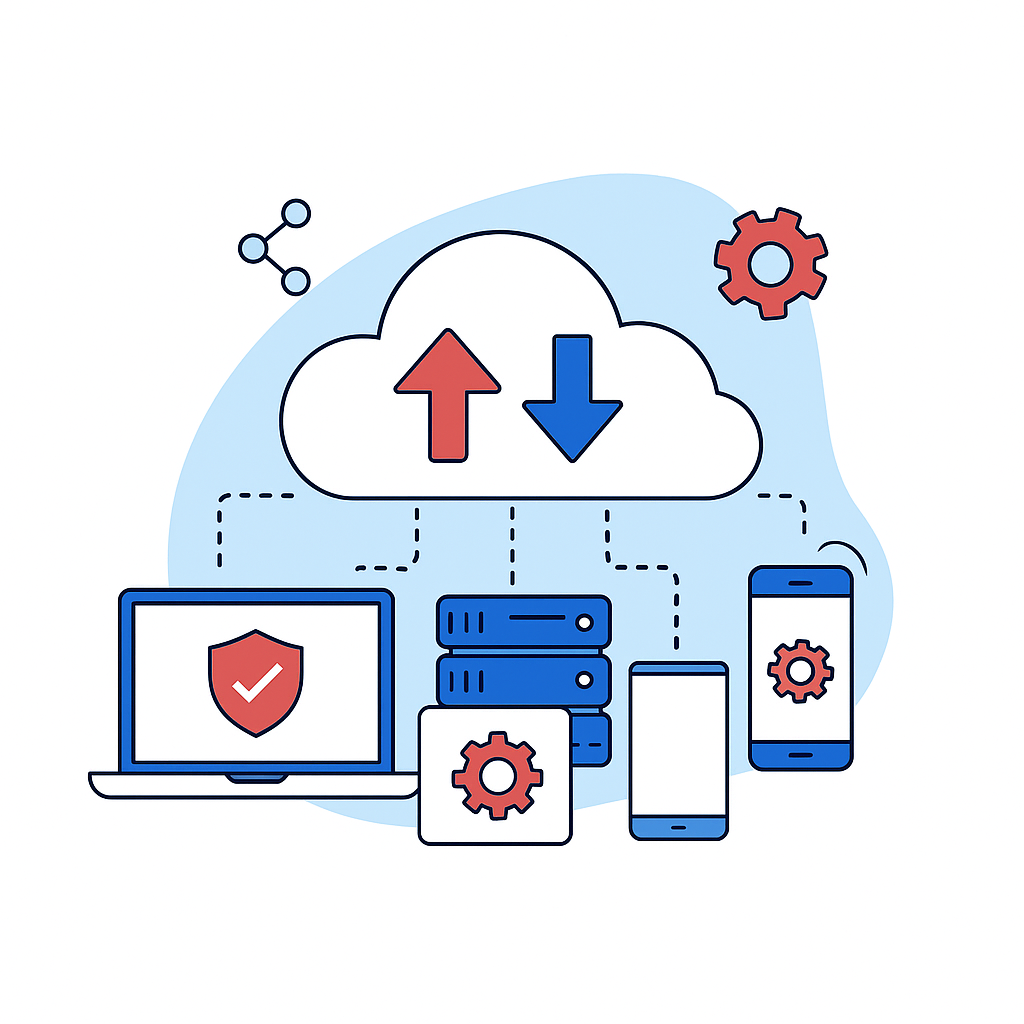
Cloud computing allows solicitors and support staff to securely access case files, emails, and practice management systems from anywhere with an internet connection. This is particularly valuable for Hertford law firms that may have staff working across multiple locations, attending court, visiting clients, or working from home.
Secure remote access also supports business continuity. If the office is inaccessible due to unforeseen circumstances, work can continue with minimal disruption. This flexibility can be a significant advantage in maintaining client service levels and meeting deadlines.
Better Collaboration Within the Firm
Legal work often involves collaboration between solicitors, paralegals, administrative staff, and external parties such as barristers or consultants. Cloud based systems make collaboration more efficient by enabling real time access to shared documents and case information.
Version control ensures that everyone is working on the latest document, reducing the risk of errors caused by outdated files. Changes can be tracked, and access can be granted or revoked as needed. This level of control is far more difficult to achieve with files stored on individual desktops or local servers.
For Hertford firms handling multiple cases simultaneously, improved collaboration can translate directly into time savings and better outcomes for clients.
Predictable and Scalable IT Costs
Managing IT costs is a common challenge for law firms. Traditional systems often involve significant upfront investment in servers, hardware, and software licences, followed by ongoing maintenance and upgrade expenses. Unexpected hardware failures can also lead to unplanned costs and downtime.
Cloud computing typically operates on a subscription based model, allowing firms to pay for what they use. This creates predictable monthly costs that are easier to budget for. As the firm grows or changes, services can be scaled up or down without the need for major infrastructure changes.
For smaller Hertford law firms, this flexibility can be particularly valuable. It allows them to access enterprise level technology without the financial burden traditionally associated with it.
Reduced Risk of Downtime and Data Loss
Downtime can be extremely disruptive for a law firm. Inability to access case files, emails, or legal software can halt work and delay client matters. Local servers are vulnerable to hardware failures, power outages, and connectivity issues.
Cloud platforms are designed with resilience in mind. Data is typically stored across multiple locations, with automatic failover systems in place. Regular backups are performed without manual intervention, reducing the risk of data loss.
This reliability helps ensure that Hertford law firms can maintain consistent operations and meet client expectations, even when technical issues arise.
Easier Software Updates and Maintenance
Keeping legal software and operating systems up to date is essential for security and performance. However, managing updates across multiple machines can be time consuming and disruptive, particularly for firms without dedicated IT staff.
With cloud based systems, updates and patches are handled centrally. This ensures that all users are working with the latest versions, reducing security risks and compatibility issues. It also frees up time for staff to focus on legal work rather than dealing with technical problems.
Supporting Growth and Long Term Strategy
As Hertford continues to develop as a business and residential hub, local law firms may see opportunities to expand their services or client base. Cloud computing supports growth by providing a flexible technology foundation that can adapt as the firm evolves.
New users can be added quickly, additional storage can be provisioned as needed, and new applications can be integrated without major disruption. This agility allows firms to respond to changes in demand and remain competitive in a dynamic market.

FAQs (Frequently Asked Questions)
Q1: Is cloud computing safe for storing sensitive legal documents
Yes, when implemented correctly, cloud computing can be extremely secure. Reputable cloud providers use strong encryption, access controls, and continuous monitoring. For most law firms, these measures provide stronger protection than traditional on premises systems.
Q2: Will moving to the cloud disrupt day to day legal work
A well planned migration should minimise disruption. Data and systems can be moved in stages, and staff can be supported with training. Many firms find that once the transition is complete, workflows become smoother and more efficient.
Q3: Can cloud systems support legal specific software
Most modern legal practice management and document management systems are cloud based or cloud compatible. This includes case management, time recording, billing, and secure document storage designed specifically for law firms.
Q4: What happens if the internet goes down
Reliable internet connectivity is important for cloud access. However, many firms use backup connections or mobile data as a contingency. Cloud providers also offer high availability, reducing the risk of service outages from their side.
Q5: Is cloud computing suitable for small law firms
Absolutely. Cloud solutions are particularly well suited to small and mid sized firms because they offer enterprise level capabilities without the need for large upfront investment. Services can be tailored to the size and needs of the firm.
Q6: How does cloud computing help with compliance
Cloud systems support compliance through secure access controls, audit logs, regular backups, and consistent software updates. Working with an IT provider experienced in the legal sector helps ensure that systems are configured in line with regulatory expectations.
Conclusion
For law firms in Hertford, cloud computing is no longer an optional upgrade. It is a strategic decision that affects security, compliance, efficiency, and client service. As the legal sector becomes more digital and competitive, firms that rely on outdated IT systems may find it increasingly difficult to keep pace.
By switching to cloud computing, Hertford law firms can protect sensitive data more effectively, support flexible working, reduce operational risks, and gain access to technology that scales with their needs. The result is a more resilient, efficient, and future ready practice that is better equipped to serve clients and adapt to change.
If you're seeking expert support in Cybersecurity Solutions, Cloud Computing, IT Infrastructure & Networking, Managed IT Support, Business Continuity & Data Backup, or VoIP & Unified Communications, visit our website, Dig-It Solutions, to discover how we can help your business thrive. Contact us online or call 020 8482 4020 to speak with our team today.


